Sustainability

What is installed, not what is intended.

Most mill sustainability pages are a list of aspirations. This one is a list of what is installed at Nalagarh — a boiler fired on rice husk, an effluent treatment plant, solar on the roofs — because equipment is what an auditor can stand in front of and what a buyer's compliance team will ask to see.
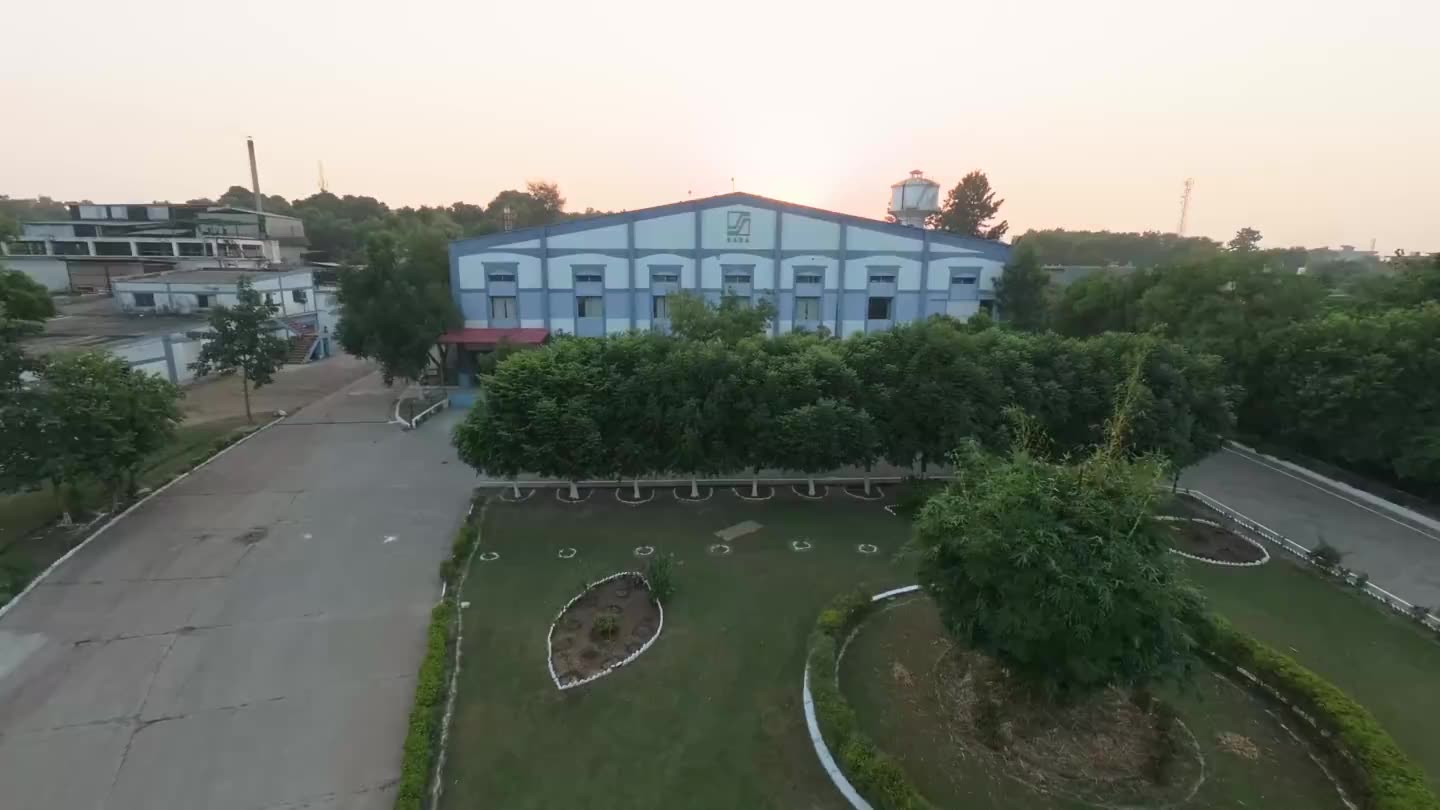
The plant from the air at sunset, then the electric fleet in the forecourt and a car on charge.

01 · Steam

Steam from rice husk

The dye house and the finishing range run on steam, and steam is where most of a mill’s heat goes. Two eight-tonne boilers raise it, both fired on rice husk — what is left when rice is milled — at around thirty-one tonnes a day between them.

Husk is a crop by-product rather than a fuel taken out of the ground. It is grown, not mined, and the heat behind every dyed and finished towel comes from it.

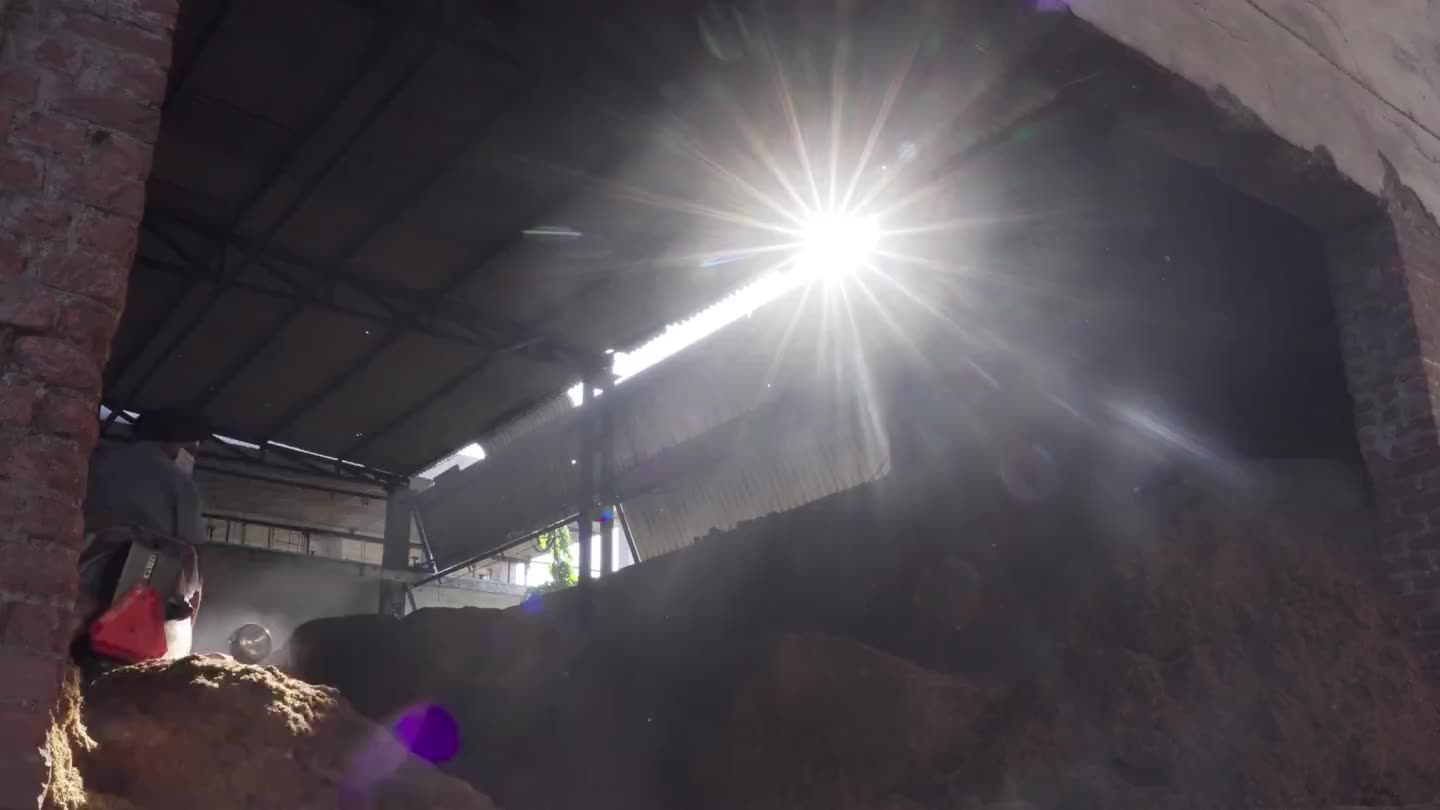
A loader moving rice husk inside the husk store.
Boilers
Two, 8 tonnes each
Fuel
Rice husk — both boilers, no fossil fuel
Husk burned
About 31 tonnes a day — 930 tonnes a month
Feeds
Dye house and finishing

02 · Water

Every litre treated before it leaves

Dyeing is where a textile mill’s footprint is heaviest, and where buyers look hardest. Every litre that leaves the dye house goes through our own effluent treatment plant, on site, before it is discharged.

Water comes in from our own borewell, so both ends of the cycle — what we draw and what we return — are ours to measure and answer for. The figures below are not ours, though. They are the State Pollution Control Board’s, from a sample its own officer took at our final outlet.

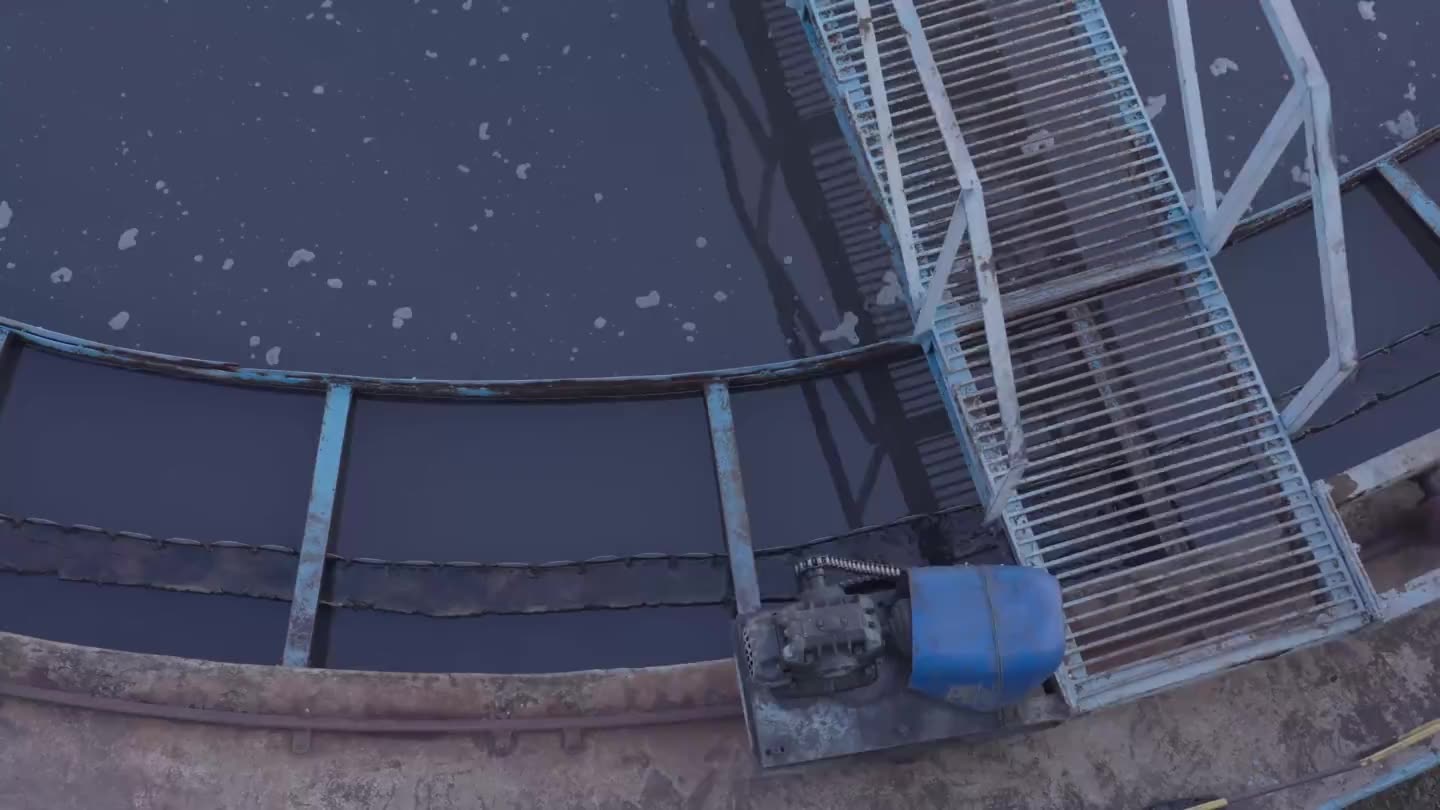
The effluent plant: a settling tank from above, the flow meters, and the water at the end of the line.
Treatment
Our own ETP, on site — Voltas
Source
Our own borewell
ETP capacity
800 kilolitres a day
Water used
About 70–75 litres per kg of greige cloth
Last tested
3 September 2026, by the H.P. State Pollution Control Board

Final outlet, tested by the State Pollution Control Board

ParameterResultPermissible limit
BOD at 27°C, 3 days4.6 mg/L30
COD60 mg/L250
Total suspended solids40 mg/L100
Total dissolved solids698 mg/L2,100
pH at 25°C8.036.5–8.5
Oil and greaseBelow detectable limit10
SulphideBelow detectable limit2
Total chromiumNot detected2
Phenolic compounds0 mg/L1
Ammoniacal nitrogen0 mg/L50

Sampled 3 September 2026 at the final outlet of the ETP by an officer of the H.P. State Pollution Control Board, and analysed by the Board’s own laboratory. Report available on request.

And some of it goes back

Part of the treated water is put through a reverse-osmosis plant and returned to the process rather than discharged. The ETP makes the water safe to release; the RO plant makes some of it worth keeping.

RO plant
Installed at Nalagarh, running
RO recovery rate
75%
Returned to
Dyeing, housekeeping and horticulture

03 · Power

Power from our own roofs

Part of the plant’s electricity is generated by solar panels on its own sheds. The rest comes from the grid.

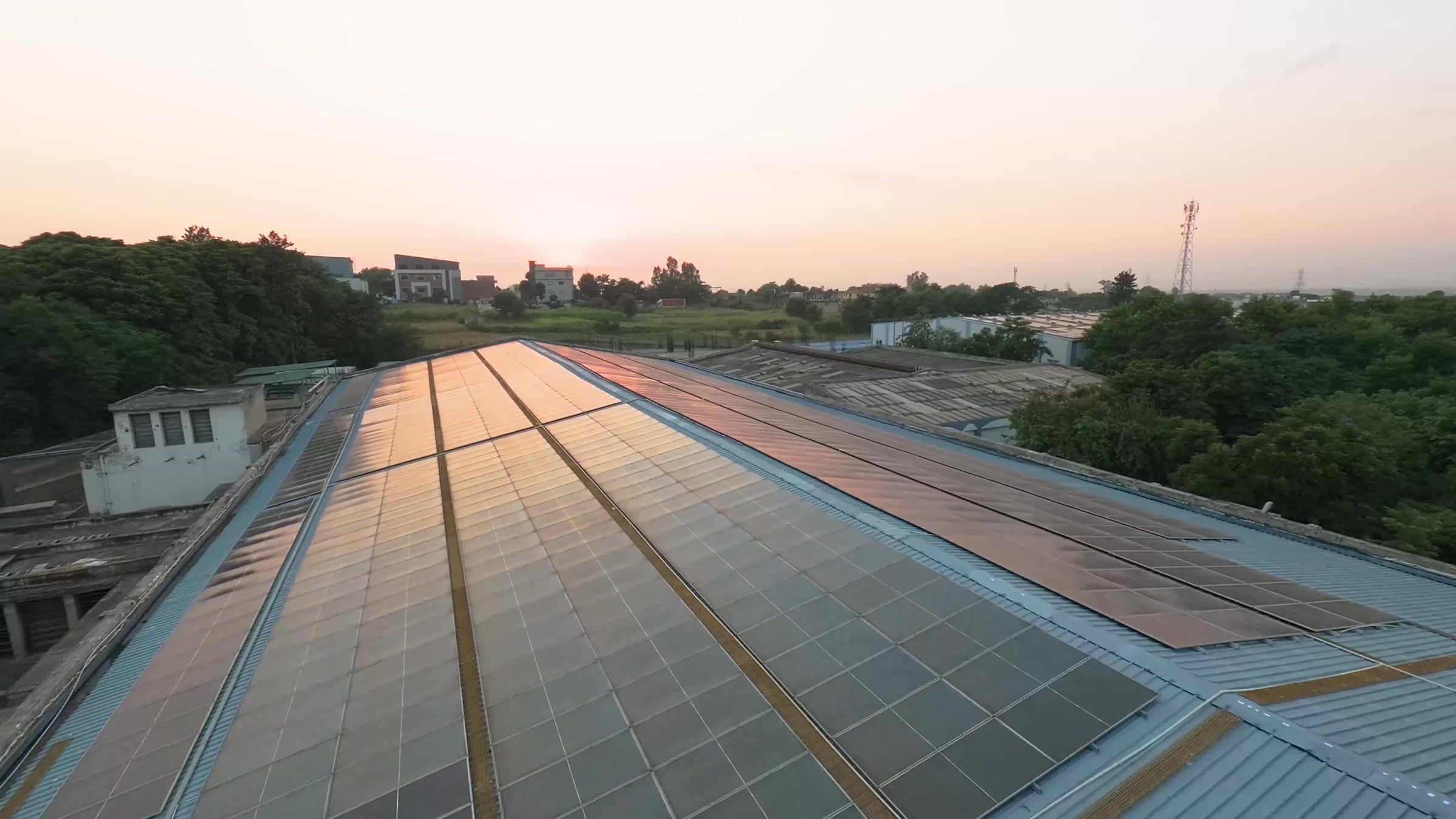
1,368 kilowatts installed, carrying about a fifth of everything the plant draws.

Solar panels running the length of the shed roofs, photographed from the air at dusk.
Solar installed
1,368 kW
Share of consumption
About 20%

04 · Transport

Electric on site

The company runs electric vehicles at Nalagarh and charges them from its own points, off the same roofs that carry the solar. A small thing beside a boiler and an array, and the one a visitor actually sees arriving.

Electric vehicles
Three, since 2022
Charging
Three points, fed by the solar
Replaced
Diesel cars

Also at Nalagarh

  • Fibre — organic and Egyptian cotton available, with documented chain of custody
  • Audits — evidence held on site rather than in a policy document

If your audit needs more

Ask. A specific question about this site is answered faster than a longer page could anticipate, and we would rather give you a measured figure than an adjective.